Natural gas standby generators fit how Charlotte lives. The city sees humid summers that strain the grid, fast-moving thunderstorms, and the occasional ice storm that snaps lines. Homeowners want HVAC to stay on, refrigerators cold, and home offices stable. Natural gas delivers reliable fuel, quick starts, and low upkeep. It pairs well with the dense neighborhoods and utility access across Mecklenburg County.
Ewing Electric Co. installs and services whole house generators across Charlotte, NC. The team manages everything from load calculations to the final inspection. For many homes, natural gas is the cleanest, simplest path to steady backup power.
What makes natural gas a smart choice in Charlotte
Natural gas supply is common in Myers Park, Dilworth, South Park, and Plaza Midwood. Tying a standby generator to the existing gas line avoids the cycle of refilling Great post to read portable tanks. During long outages, that convenience matters. The generator runs as long as gas flows, which is a clear advantage during multi-day storm recovery.
Exhaust is cleaner than gasoline or diesel. Noise levels are lower, which helps in tighter neighborhoods like Elizabeth and NoDa. Many air-cooled units sit under 70 dB at 23 feet, which fits most local noise rules. For larger estates in South Park and Ballantyne, liquid-cooled models provide higher capacity with steady performance.
Ewing Electric focuses on whole home generator installation with an automatic transfer switch. The ATS senses Duke Energy grid failure and shifts power to the generator within seconds. It keeps HVAC, fridges, sump pumps, Wi-Fi, and medical devices running. That quick handoff prevents food spoilage, sump pump failure, and voltage spikes that can harm electronics.
Common outage pain points in Mecklenburg County
Residents report more short outages and brownouts during heavy heat. Rolling blackouts may hit feeders during peak demand. A standby system solves real problems: lost air conditioning during a 95-degree day, failed sump pumps during summer storms, or a CPAP shutting off in the night. Ice storms add another risk, with limbs taking down lines from Steele Creek to University City.
A properly sized generator keeps essential circuits live. For many homes, that means a gas furnace or heat pump, air handler, one or two AC compressors, refrigerator, freezer, range ignition, garage door opener, router, and key lighting. For remote workers, a steady home office load is now as vital as the kitchen.
How a professional installation works
Whole home generator installation is more than placing a box and running a wire. The process begins with a load calculation. The electrician lists running and starting wattage for HVAC, kitchen appliances, well pumps, and medical gear. A typical Charlotte single-family home ends up with an 18–26 kW air-cooled unit. Larger homes with multiple HVAC systems may need a 30–48 kW liquid-cooled unit.
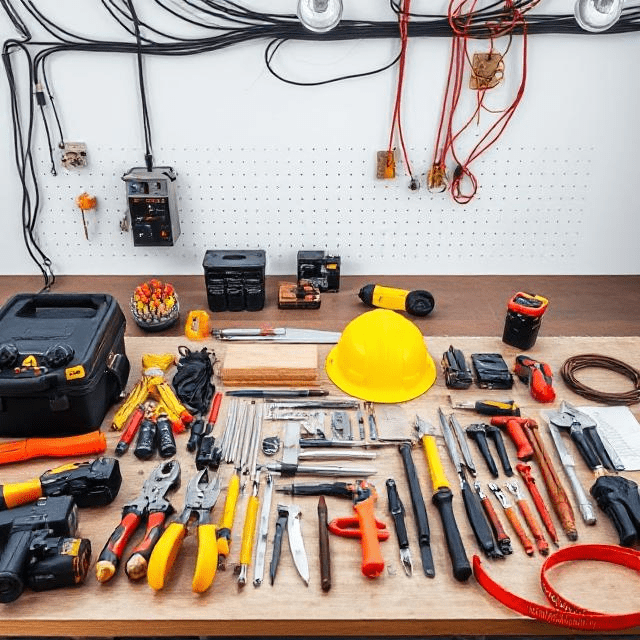
The generator sits on a level concrete pad with clearances for service and ventilation. The electrical team wires the automatic transfer switch and integrates it with the main electrical whole home generator installation panel or a dedicated subpanel. Gas plumbers run a new natural gas line with the proper meter capacity and regulator. The unit includes a battery charger and voltage regulator. Ewing Electric coordinates permits and inspections with the City of Charlotte, then schedules a meter sync with Duke Energy.
For homes without natural gas, propane is a strong alternative. The setup adds a properly sized tank, often buried for aesthetics. Dual-fuel options exist, but most Charlotte installations favor natural gas or propane for stability and storage.
Air-cooled vs. liquid-cooled generators
Air-cooled generators suit most standard homes in 28277 and 28210. They are compact, cost-effective, and quick to service. Liquid-cooled models fit larger residences with high HVAC loads, such as estates near Quail Hollow or multi-level homes in Ballantyne. They run quieter under heavy loads and handle long runtimes well.
Smart load management can stretch capacity without oversizing. It staggers high-demand circuits so compressors do not start at the same time. This approach often lets a 22 kW air-cooled unit run a full Charlotte home, including a central AC.
Why homeowners prefer standby over portables
Portable generators are fine for a few circuits when someone is present to refuel and manage cords. They come with safety risks and noise. They are also prone to fuel problems and stale gasoline. A standby system is automatic and safer. It tests itself weekly and reports issues through remote monitoring. It is hardwired with an ATS and uses natural gas, so there is no refueling hassle.
For families with medical devices or home businesses, the difference is not small. Automatic backup power means continuity without scrambling for extension cords during a storm.
Brand considerations and local service
Ewing Electric installs and maintains Generac and Kohler standby generators. Generac Guardian series units are popular across Charlotte for air-cooled applications. Kohler Power systems are known for strong voltage regulation and quiet operation. For premium features, Honeywell-branded standby systems offer advanced remote monitoring and low-noise enclosures.
Sizing and brand selection depend on load profile, gas availability, and noise limits. An on-site survey decides placement, pad type, clearance from windows, and exhaust direction. That planning keeps neighbors happy and inspections smooth.
Local code and permitting insight
Historic areas like Myers Park and Dilworth have stricter placement rules and design guidelines. Lot lines and rear-yard setbacks dictate where a generator can sit. South Park and Elizabeth may have HOA review steps. Ewing Electric handles the drawings, the permit submittal, and the inspection scheduling. The team knows the nuances across Mecklenburg County, from Plaza Midwood infill to Steele Creek new builds.
The company also respects proximity concerns near landmarks and busy corridors. Homes close to Freedom Park, Bank of America Stadium, or the airport often choose ultra-quiet configurations to keep ambient noise low.
The anatomy of a clean install
A clean install looks simple on the surface. Under the hood, details protect long-term performance. The gas line sizing must match peak BTU draw under cold starts. The ATS needs proper bonding and grounding. Surge protection at the main panel helps with lightning common in summer. Conduit runs should be tight to the home with sealed penetrations. The concrete pad must drain away from the enclosure to avoid corrosion.
Ewing Electric’s factory-trained technicians verify voltage under load, test transfer timing, and simulate grid failure. They also configure remote monitoring so the homeowner can see status, runtime, and maintenance alerts.
Cost, maintenance, and timing
Most Charlotte installs fall into broad ranges based on size and gas work. Air-cooled systems with ATS often land in the mid-to-high five figures, including permits, pad, and gas connection. Liquid-cooled systems cost more due to the engine, radiator, and heavier electrical integration. A firm quote follows the load calculation and site survey.
Maintenance is straightforward. Change oil and filters, check spark plugs, test batteries, and update firmware. Most homeowners schedule annual service before summer heat. The generator runs a weekly self-test, which keeps the battery charged and confirms readiness.
Where Ewing Electric works and how fast they respond
Ewing Electric serves the Queen City end to end: Ballantyne, South Park, Dilworth, Myers Park, Elizabeth, Plaza Midwood, NoDa, Steele Creek, and beyond. The team also supports Matthews, Pineville, Huntersville, Mint Hill, Concord, Belmont, and Gastonia. They provide rapid service within range of Freedom Park and central Charlotte, including 28277, 28210, 28226, 28269, 28205, and 28202.
Whole home generator installation requires coordination with inspectors and Duke Energy. Most projects complete within a few weeks after permits, weather, and gas utility timelines are set. The company keeps homeowners updated at each step.
What homeowners ask most
How much power is enough for central air? Most Charlotte homes can run one or two AC compressors on a 20–26 kW air-cooled unit with smart load management. Larger estates may need a liquid-cooled generator to support multiple systems at once.
Does the generator start by itself? Yes. The automatic transfer switch detects grid failure and starts the generator. Power restores to selected circuits within seconds.
Who handles permits and inspections? Ewing Electric manages the full process: electrical permit, gas permit, HOA documents if needed, and the final inspection. The team also coordinates the Duke Energy meter sync.
What about noise and placement? The crew measures sound levels and follows setback rules. Many units meet neighborhood standards with a simple sound plan and careful siting.
How does natural gas availability affect the project? Homes with existing gas meters usually need an upgraded meter and a new branch line. If natural gas is not available, a propane tank provides an equivalent solution.
Quick comparison points
- Natural gas is ideal for dense Charlotte neighborhoods due to quiet operation and continuous fuel supply. Air-cooled units fit most homes; liquid-cooled units serve high-load estates and multi-system HVAC setups. A proper ATS and panel integration protect from voltage spikes and keep HVAC, refrigeration, and medical devices running. Ewing Electric’s licensed, insured electricians deliver turnkey installs with factory-trained support. Brands include Generac and Kohler, with Honeywell options for quieter, premium monitoring.
Ready for a safer, steadier home in Charlotte
A well-planned standby system removes the stress of grid failure, rolling blackouts, and storm damage. It protects HVAC during humid summers and keeps vital circuits live during winter ice. Ewing Electric provides whole home generator installation across Charlotte, NC, with licensed electricians, insured and bonded crews, and maintenance contracts for long-term reliability. Contact Ewing Electric today for a professional load calculation and a free generator installation estimate. The team handles the concrete pad, ATS integration with your electrical panel, natural gas line coordination, permitting, inspections, and the final Duke Energy sync.
Ewing Electric Co provides dependable residential and commercial electrical services in Charlotte, NC. Family-owned for over 35 years, we handle electrical panel upgrades, EV charger installation, generator installation, whole-home rewiring, and 24/7 emergency repairs. Our licensed electricians deliver code-compliant, energy-efficient solutions with honest pricing and careful workmanship. From quick home fixes to full commercial installations, we’re known for reliable service done right the first time. Proudly serving Charlotte, Matthews, Mint Hill, and nearby communities.
Ewing Electric Co
7316 Wallace Rd STE D
Charlotte,
NC
28212,
USA
Phone: (704) 804-3320
Website: https://ewingelectricco.com/ | Electric Company in Charlotte
Social: Facebook | Instagram | Twitter | LinkedIn | Yelp | Angi | BBB
Map: View on Google Maps